

Animal Protection Aegina Agistri
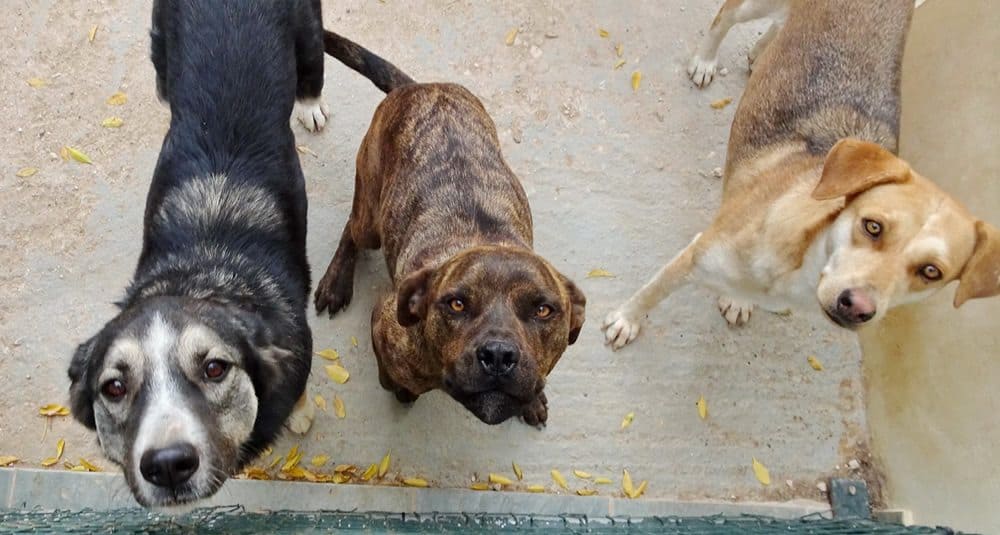
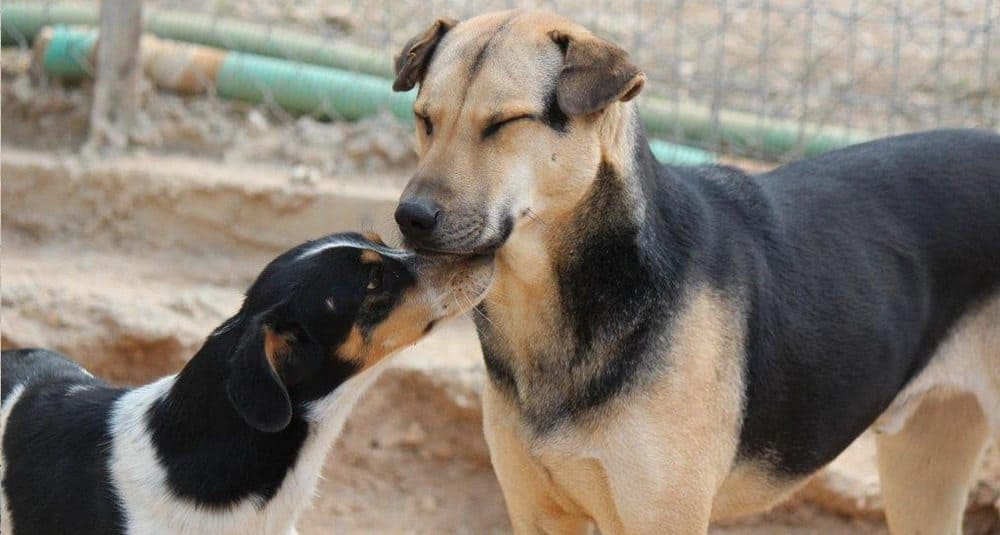
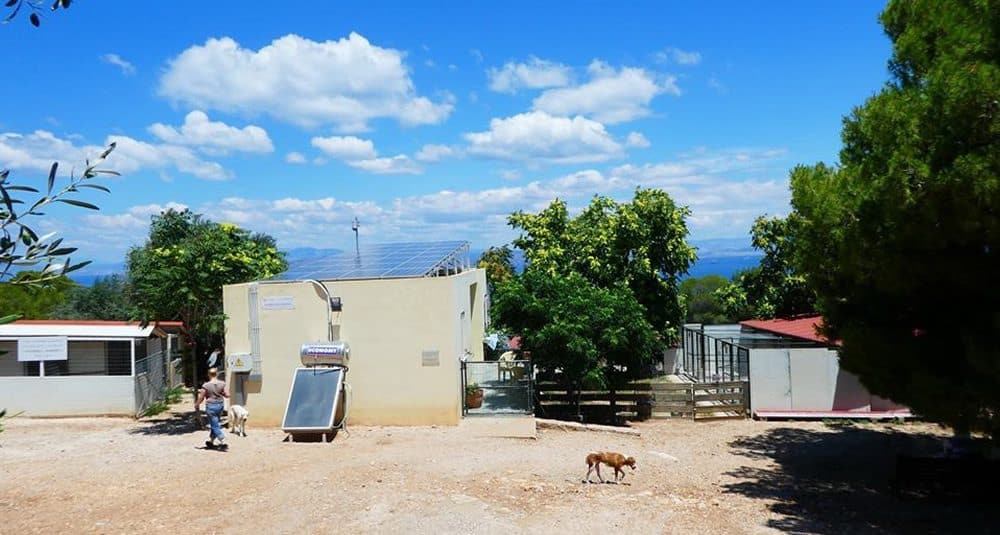
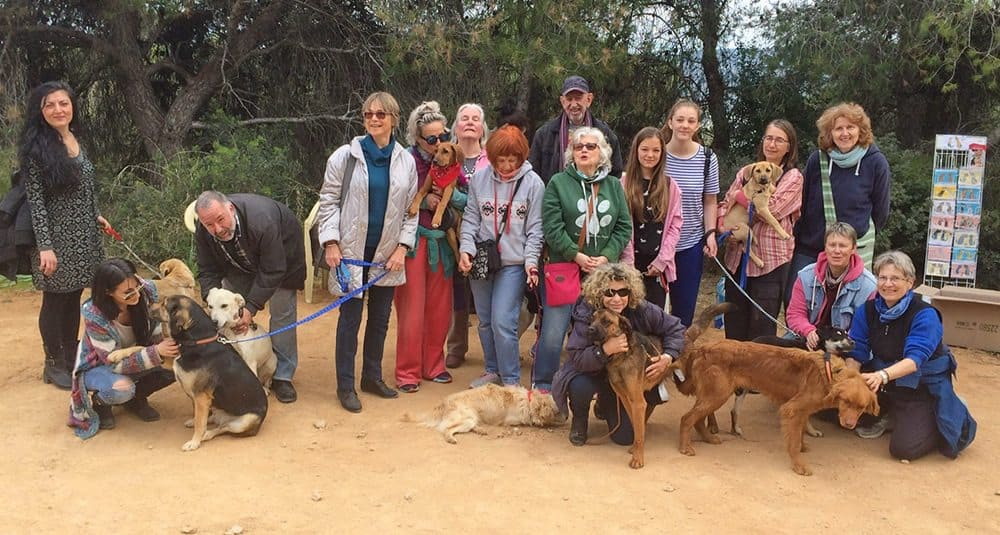
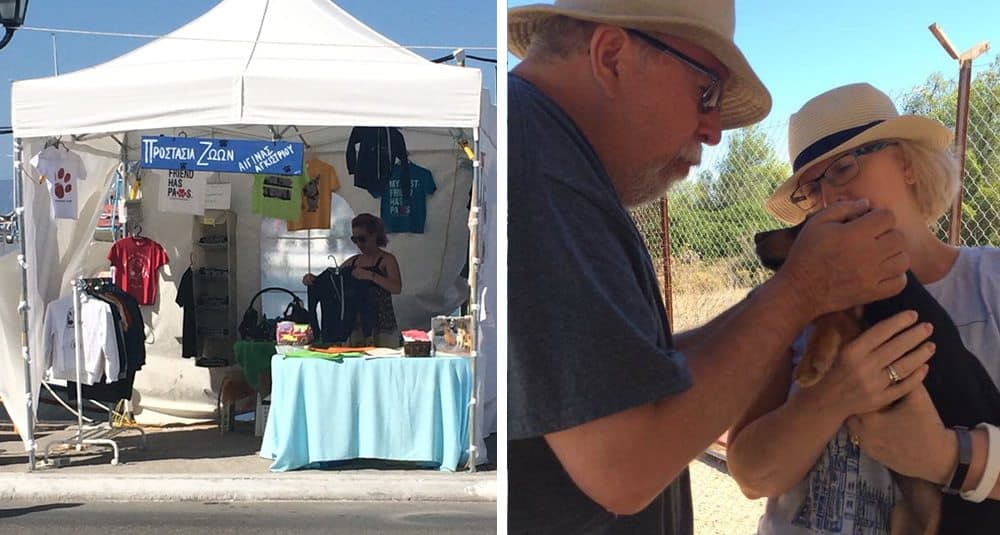
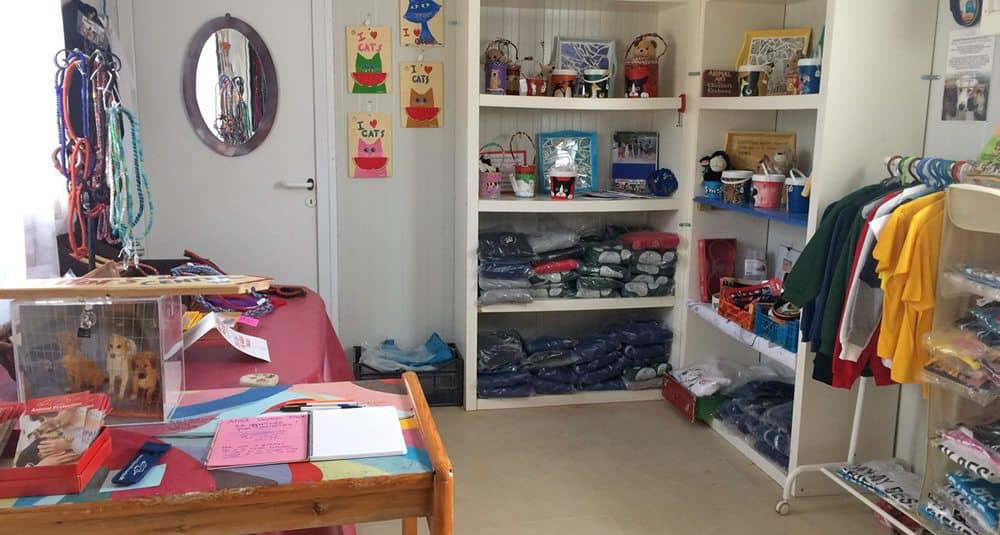
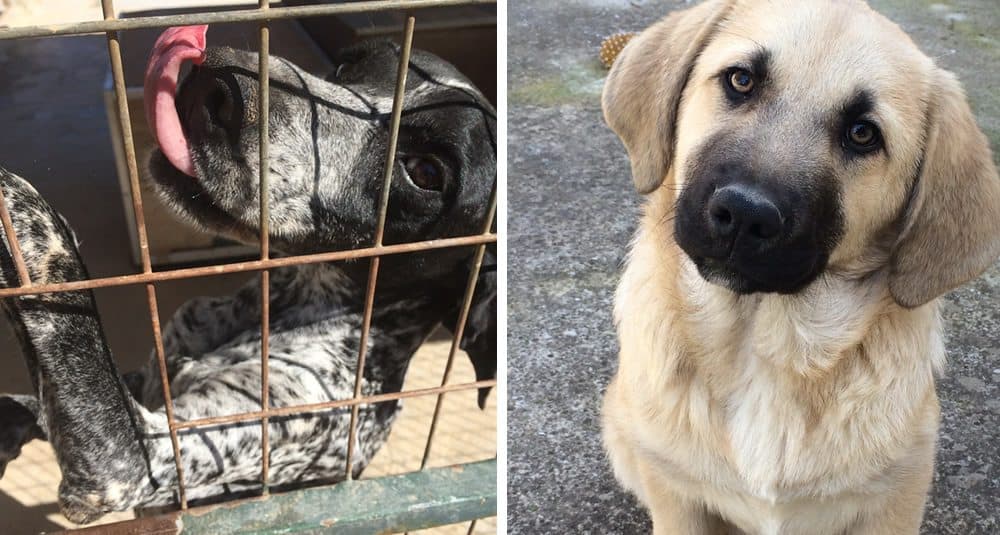
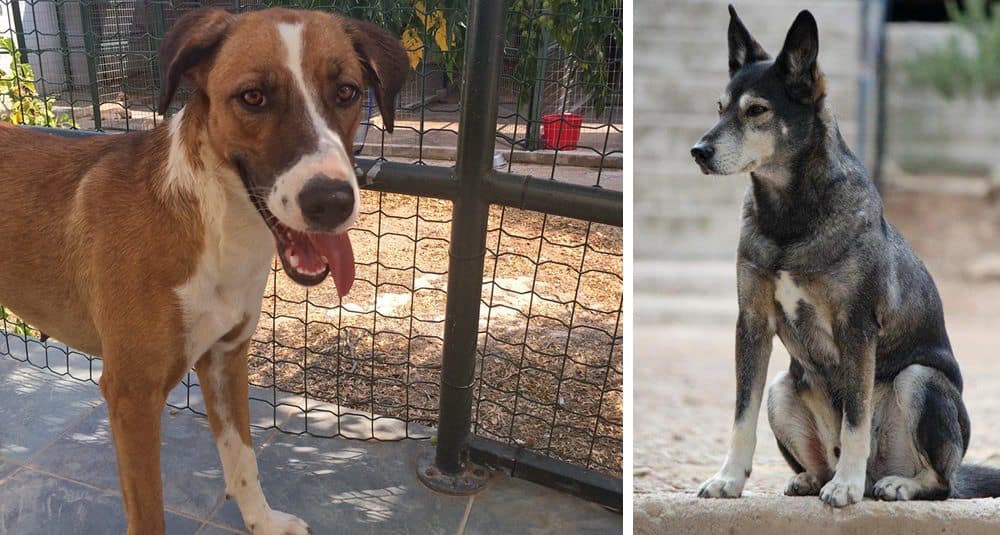
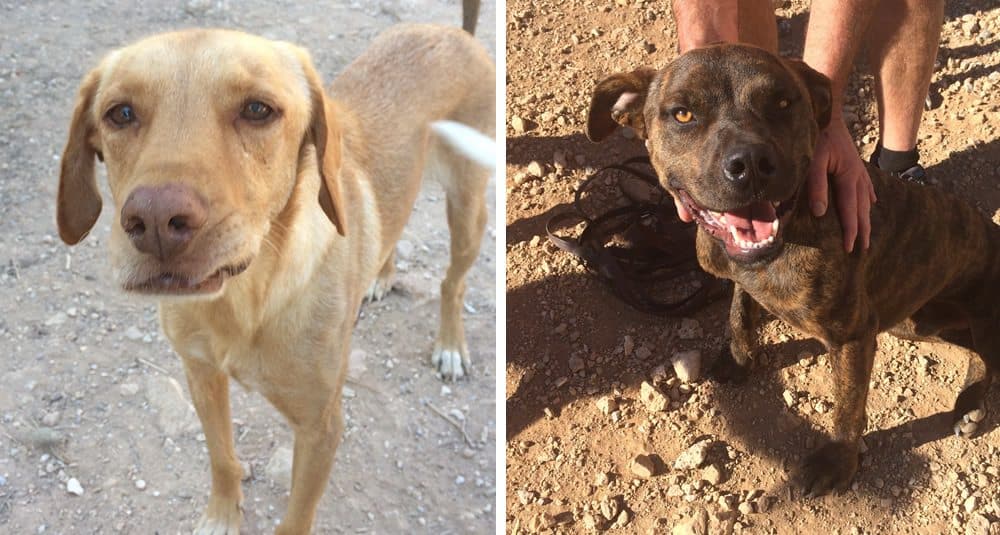
Animal Protection Aegina Agistri (APAA) is a Greek charity founded in 2006 and a founding member of the Panhellenic Animal Welfare Federation (PFO). They operate a private shelter for approximately 100 dogs and a charity shop on Aegina island. They are funded by their members and supporters. Each year they feed, vaccinate, treat and sterilize about 500 dogs and cats. They also run an adoption - and neutering program.
How it all started
In 1996 packs of dogs were running around Aegina town so the mayor gathered some 40 of them and put them in the former prison/ orphanage and asked some local foreign women to look after them, at their own expense. Dogs were fed with donations of vegetables, rice and chicken and volunteers cooked and cleaned every day. Then an official Greek charity was formed in order to apply for funding for a neutering program. That was when a dedicated group of volunteers started looking after the strays of Aegina. The volunteers may have changed over the years, but the commitment to help stray animals has not. The result is that thousands of cats and dogs have been rescued, neutered, homed and/or offered medical treatment since 1996.
Adoptions of dogs
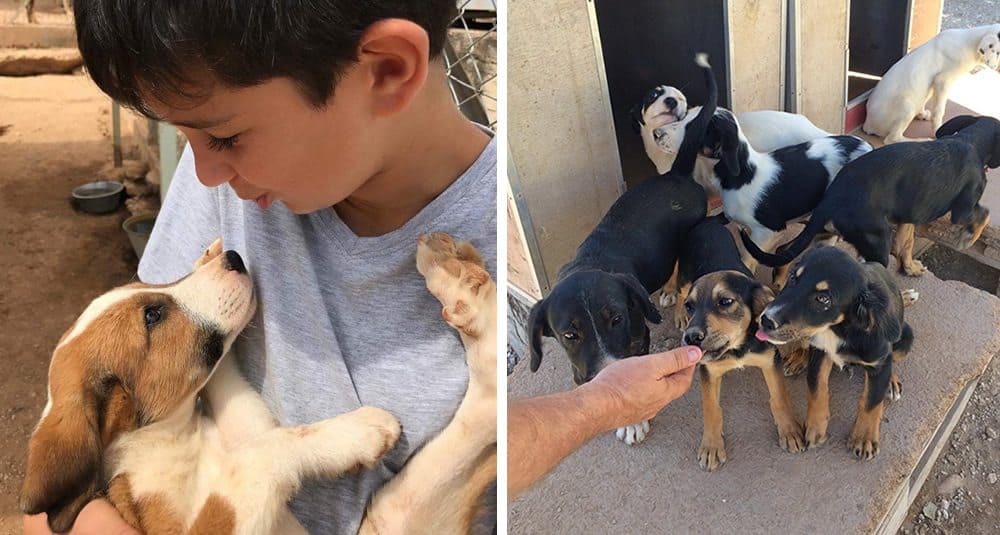
For information on adoptions of puppies or mature dogs, visit their English Facebook page, Greek Facebook page, their German website or contact them by email or telephone.
- The shelter staff will be able to help you choose the right dog for you
- They will inform you of your rights and obligations as the owner of this dog
- By signing an adoption contract (required by law) you agree that the dog you choose will be given parasite control and vaccinated, neutered at the proper age and microchipped with your name.
Neutering program
Neutering program for stray dogs
APAA will cover the cost but they cannot take responsibility for the dog. If you are feeding a stray dog and are able to take it to their vet and look after it following surgery, then they can put this dog on their list. Send an email to elizkou@hotmail.com with your name and phone number.
How you can support Animal Protection Aegina Agistri
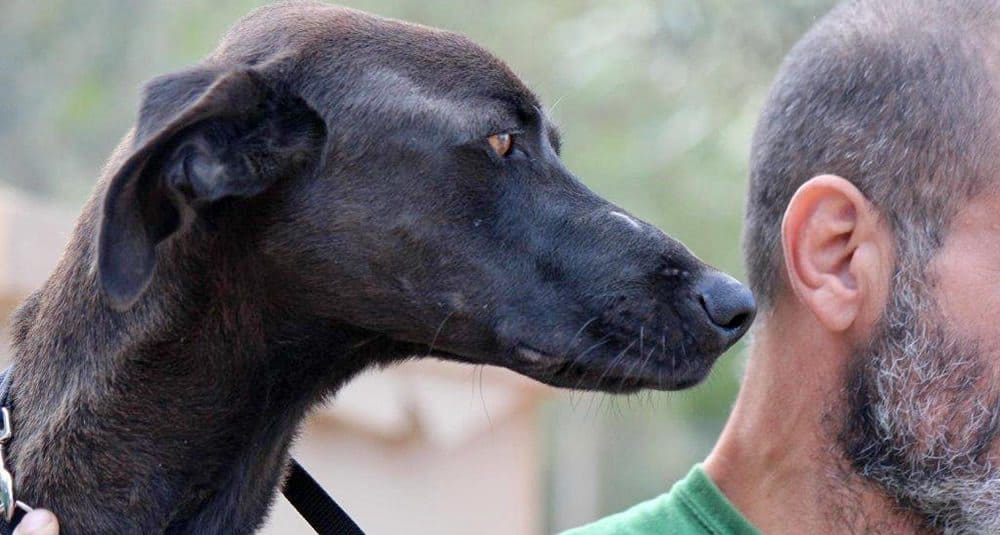
- You can adopt a dog from the shelter
- Help an animal in need
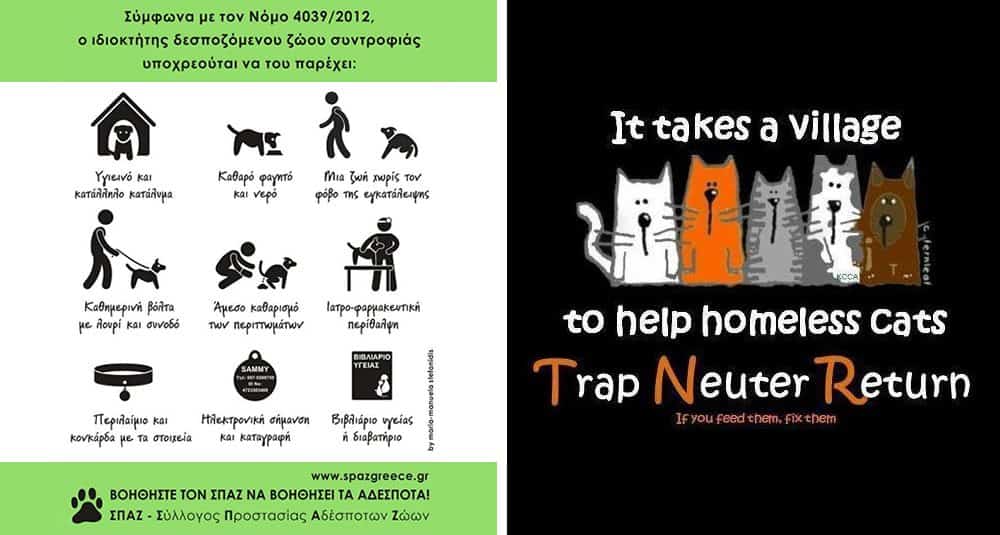
- Neuter your companion animal and encourage your friends to do the same. Neutering not helps to decrease the number of strays, it will also keep animals healthier.
- Help Animal Protection financially:
- Sponsor a dog for 30 euros per month and improve the life of one dog at the shelter (visit the Facebook page for more information) You can visit the shelter and walk the dog and get to know it. Some dogs really need friends 🙂
- Become a member of the Circle of Friends for 50 euros per year
- Donate any amount into their Alpha Bank account
- Donate any amount through Paypal
- Donate dog and cat food and medicine (get in contact for more specific information)
Dog shelter management
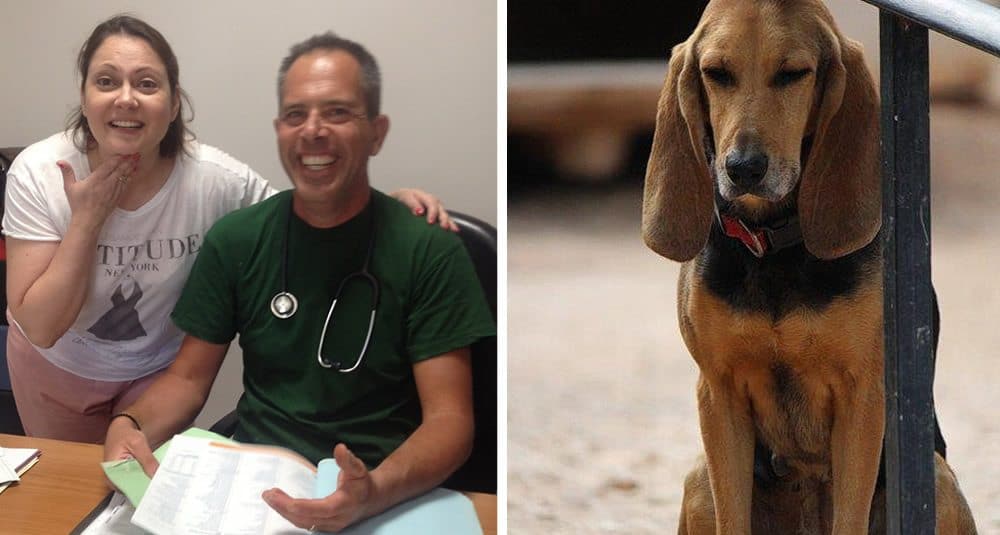
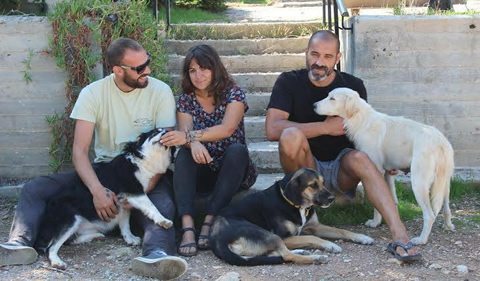
The Dog Shelter is managed by a three employed staff
Elena Foudouki - shelter administrator
Andreas Founourakis - shelter manager
Vangelis - assistant to shelter manager
(picture from left to right: Vangelis, Elena & Andreas)
Charity management
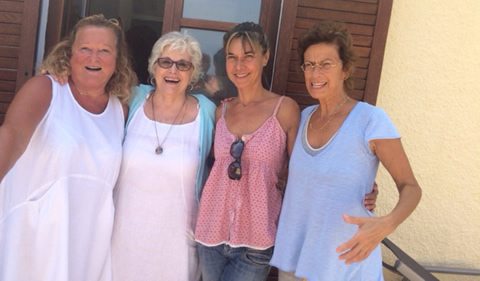
The charity is managed by the below committee
Irini Molfessi - President
Vice-President - Katerina Athanassiou
Treasurer - Karin Adrio-Appel
Secretary - Elizabeth Koubena
(picture from left to right: Karin, Elizabeth, Katerina & Irini)
Frequently asked questions
First, check with your neighbours to see if the dog has an owner. If the dog looks healthy and is friendly, it is possible it has a home. It is also possible it has been newly abandoned. This makes it a stray dog, which means the municipality is responsible. Unfortunately, the municipality has no resources to help you with this dog. APAA is a private charity, funded by donations, which runs a dog shelter on Aegina, but it is not responsible for the strays, nor obliged to take them in. If we can help, we will, but most of the time, the dog shelter is full. (Some people think the municipality pays us to take in dogs, but this is not true.)
So what can you do….
- Well, if the dog appears hungry and thirsty, give it food and water.
- Take a photo of it and send it to APAA, who can post it and see if an owner can be found.
- Let the dog stay in your area; alert the neighbours that you are feeding the dog; try to find it a new home if you cannot give it one. APAA can help you by posting the information.
- If the dog appears ill, wounded, starving or on the edge of collapse, contact APAA and ask if you can bring it to their official shelter vets in town – Giannis Basdalvanos and Despina Papachroni. APAA will help as much as possible to get the dog medical attention. We cannot promise to take it to the shelter, but it will be considered after an assessment is made by our vets.
If you find puppies, please try to help them. If they are old enough to eat by themselves, give them food and water, and shelter. Post a picture to APAA and ask for advice. If they need medical help, bring them to a vet; contact us and we will try to to help. It is difficult for APAA to take the puppies as they can carry diseases with them that can infect an entire dog shelter, so a quarantine period is always required (preferably in a foster home- hopefully yours) before APAA can agree to take them. If we can’t take them, we will post them and try to help you home them. Abandoned puppies pose an enormous problem for all of us and that is why APAA runs neutering programs and encourages all Aeginiteans to neuter their dogs, female and male. (By the way, it is against the law to abandon dogs.)
You can adopt the dog and take it back home with you. Our local vets can give you all the information you need to do this. If the dog needs time to get the medical requirements and paperwork done, you could ask APAA to help. We home dogs regularly in Greece and in other countries and, may be able to offer some assistance.
If you cannot adopt it, you can talk to people in the neighbourhood where you have been staying and see if they would be willing to look after the dog. You could offer to help with food. You could post it online and see if someone else would help the dog. But don’t wait until the day before you are leaving the island!
APAA can definitely offer some help. We can post a photo online; We can send the information to our sister groups for possible help. We can arrange for you to take the dog to our local vet for a medical assessment, and neuter it if it has not already been done.
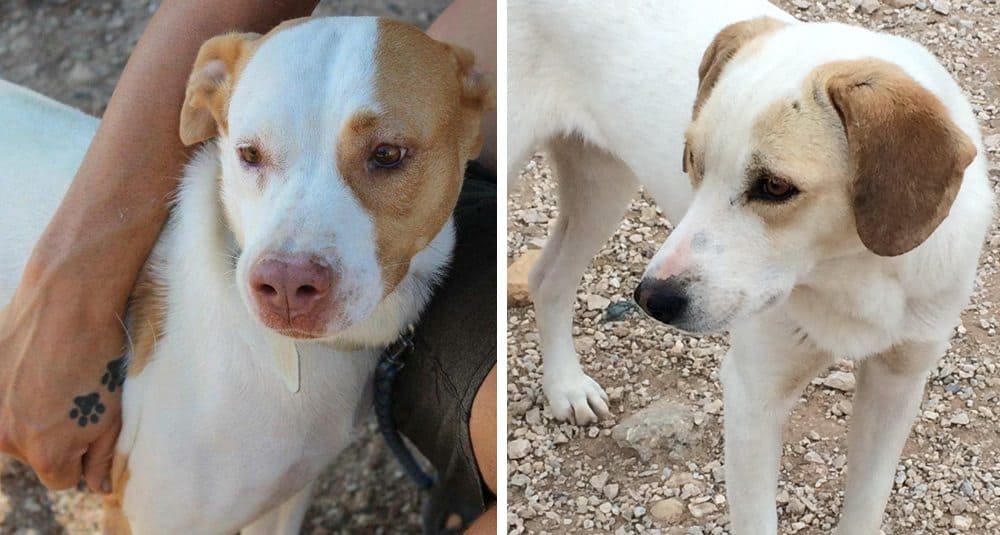
If you choose a dog in person at our shelter and live on Aegina, a home visit will be made by a member of APAA shelter staff. Once the adoption is approved, a contract will be signed. All dogs adopted from the shelter are fully vaccinated, treated for parasites and neutered (unless too young, in which case they will be neutered later at APAA expense). The aim of APAA is to choose the right dog for the person, and the right person for the dog. However, APAA will always take a dog back if necessary. There is no adoption charge, although a donation is always welcome.
There is no adoption charge, although a donation is always welcome.
Unfortunately, the answer is YES. Too many irresponsible people abandon puppies and dogs; dogs are neglected and abused and sometimes escape or are rescued. Dogs are found with wounds, starving to death, full of shotgun pellets, diseased, etc and APAA cannot turn their back on all these needy animals, so usually the shelter is full.
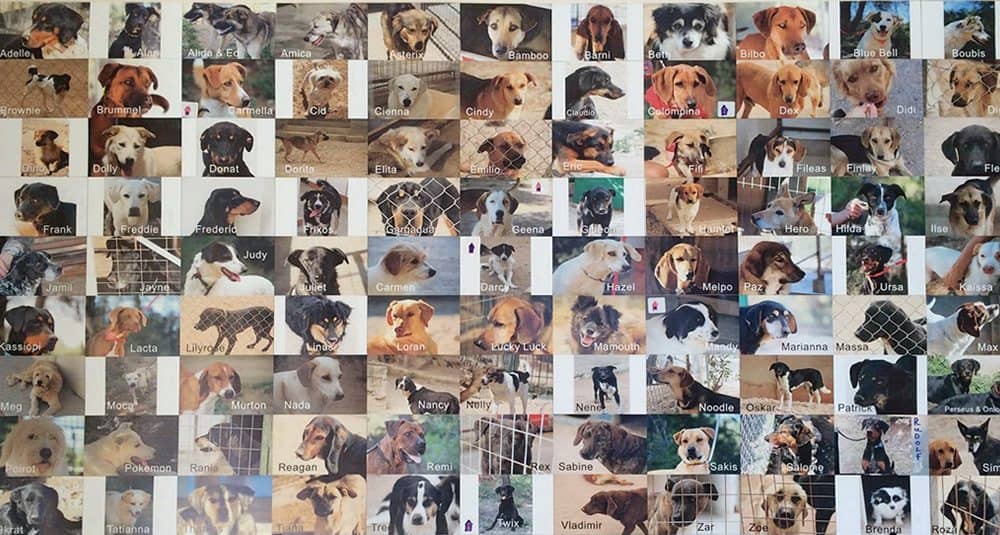
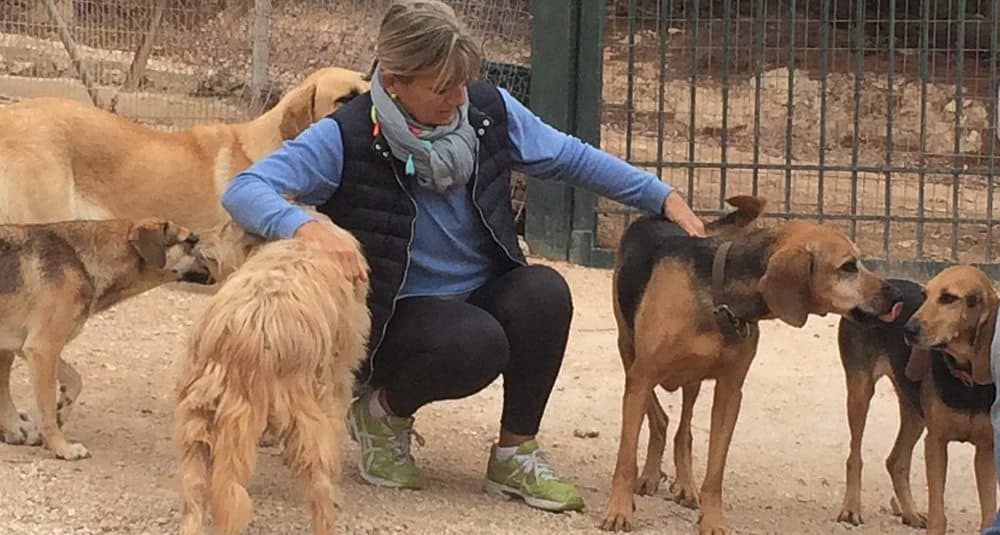
YES. APAA has over 100 dogs in their shelter and only three full time staff members. But, we have a number of free zones, where a group of dogs interact freely and are not living in kennels. They have learned to be more social with both people and other dogs, and are therefore easier to home. Some dogs are not stable enough to live in the free zones full time, but they have some hours there under staff supervision before they go back to their kennels. A few dogs do not mix well with other dogs, so these dogs are taken out for supervised walks outside the shelter. And, fortunately, we have a number of volunteers who come up regularly to walk dogs. At our Open Houses, we ask people to come up and walk a dog!
The shelter welcomes volunteers, but it is important to talk with the Shelter Administrator Elena Foudouki to find out what volunteers are needed for.
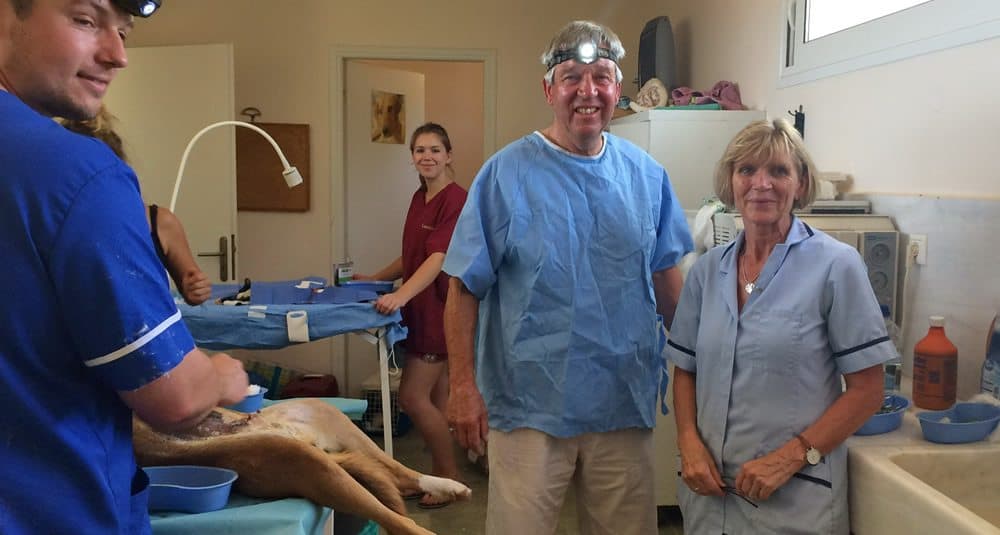
APAA has an official vet for the dog shelter, Giannis Basdalvanos, who has a vet clinic in Aegina town behind the hospital; Despina Papachroni is a partner-vet at the clinic. All of our local needs are met by these two vets. If you live in the UK, you should contact Friends of the Strays of Greece, who organize visiting vet neutering clinics in Greece.
APAA was registered in 2006, following two earlier charities dating from 1996. During that period the municipality offered no financial support. But APAA wants to cooperate more with the municipality to solve the stray animal problem on the island; to that end the municipality has, for the first time, offered the charity 5000 euros.
That question requires a thesis to answer. The short answer is this: careless owners and not enough neutering. Attitudes are changing and there are many animal welfare group working to change the situation, but until more than 50% of dogs and cats are neutered, the numbers do not go down!
YES. And in the last few years, more cases have been brought to court and fines levied at people who abuse animals. If you know of an animal abuse case, you should report it to the local police, bringing as much evidence as possible – photographs, etc. The police are obliged to investigate. The laws in Greece concerning animal abuse are those passed in the European Union, which Greece is obliged to enforce.
APAA is not in a position to investigate nor do we have the right, the responsibility or the time, to take on animal abuse cases. APAA will, of course, cooperate with the police if requested and when necessary.
Unfortunately still lots of dogs and cats are getting poisoned on Aegina, although it’s against the law and totally unhuman! Although local authorities are aware of this situation, too little has been done to stop these practices, the killers are still around! Please read this following text to prepare yourself to save an animal in case of an emergency or learn what you can do to contribute to stop the poisoning! CLICK HERE FOR THE TEXT
YES. The dogs still need to be looked after in a clean and proper environment and given medical care when needed; our staff needs to get their salaries; our vet bills and food costs need to be covered; shelter repairs are constant, so APAA has to work harder to find the money to cover all these expenses. Most of our support comes from sister groups: Friends of the Strays of Greece (UK), Aegean Dogs (Germany), Dierenasiel Leiden (Netherlands), Zero Stray Pawject (USA), SBA - Foundation for Foreign Shelters (Netherlands), Animal Respect (UK), Cats of Aegina and Agistri, plus individual supporters in those countries, and we do have some supporters in Athens who regularly donate to APAA, and the local Dog Sponsorship Program helps pay expenses as well.
Generally, NO. In better times, APAA covered the cost of most of the neutering of both dogs and cats with our local vets. Now we rely on visiting vets to run neutering clinics organized by our sister groups; and funds from different organizations to run neutering programs throughout the year. APAA does not charge a homing fee, but some of their sister groups do and pass on the funds to us.
YES. Cats are neutered in our visiting vet clinics, which are held at the dog shelter about 6 times a year. But we also have cat neutering programs with our local vets. A new one began in November 2017 and will continue throughout the winter. Contact elizkou@hotmail.com for more information.
Generally No. APAA’s priority is looking after the dogs in the dog shelter, neutering them and homing them. But we will post anyone’s request to home some cats, on our facebook pages. And occasionally we will assist if a cat that has been adopted by someone and needs help with paperwork or travel procedures.
This website was set up by our Germany support group Aegean Dogs and is used mainly to home dogs in our shelter to families in Germany, and raise funds. APAA has two facebook pages, however, one in Greek, and one bilingual English/Greek: Friends of Aegina Dog Shelter / Προστασία Ζώων Αίγινας-Αγκιστριου.
These two facebook pages answer all our local needs, but we would like to have a Greek/ English website. We just need a bilingual person who can set it up and run it on a regular basis, and to date, this person has not shown up.
Animal emergencies
Elena +30 6972 921 110 or Andreas +30 6981 218 009
General information
APAA Information Centre & Charity shop
Pan. Irioti Street 67
18010 Aegina
Telephone: (+30) 22970 27049 shop hours only)
Daily opening hours: 10.00 to 13.30 (except for Sundays)
Treatment of sick animals
Aegina Vet Clinic: +30 22970 24942
In case of emergency:
Despina +30 6944 477 337
Giannis +30 6944 444 857
(APAA cannot cover the cost unless you make arrangements with them first )
Reporting animal abuse situations
police +30 22970 22100
To complain about stray animal situations:
Sophia Hatzinas working at the municipality of Aegina +30 6948 262 486
General information, especially for neutering and sponsorship programs
Elizabeth Koubena: elizkou@hotmail.com
Προστασία Ζώων Αίγινας-Αγκιστρίου
Animal Protecten Aegina - Agistri
Alpha Bank AG (Greece)
IBAN: GR5401401610161002002005793
BIC: CRBAGRAA
Deutsche Bank AG (Germany)
Frankfurt BLZ 500 700 10
KONTO 177 61 7800
Animal Protection Aegina Agistri is a Non Profit Animal Charity
Registered in the First Instance Court of Piraeus
No. 4432/14.04.2006